

How Often Should Teams Do Virtual Team Building?
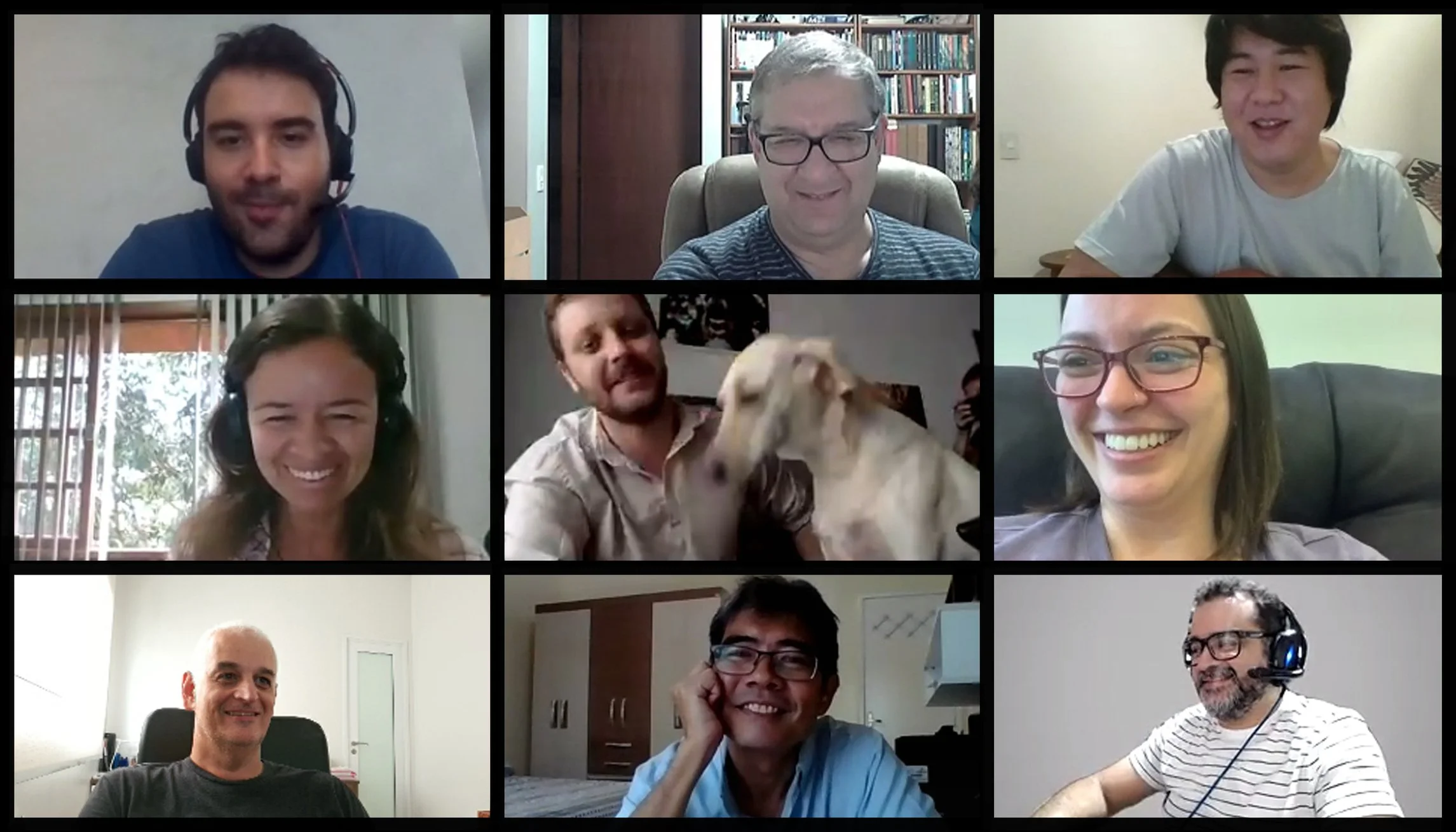
One of the most common questions managers ask about virtual team building is surprisingly simple: How often should we actually do this?
Too little team interaction can leave remote teams feeling disconnected. But scheduling too many activities can make people feel like their time is being taken away from meaningful work. The key is finding the right balance: enough interaction to maintain connection, but not so much that it feels forced.
Looking for ways to get started today? We put together a one-month engagement kit and plan to get you going this quarter!
🧠 Why Frequency Matters
In traditional office environments, connection happens naturally through hallway conversations, lunch breaks and casual chats before meetings. Remote teams don’t have those same spontaneous moments. That means connection has to be created intentionally.
Regular team activities help maintain:
trust
collaboration
morale
psychological safety
📊 A Good Baseline for Most Teams
For many remote teams, a simple rhythm works well. Consider implementing a regular schedule.
Weekly:
Short icebreakers or quick games during existing meetings.
Monthly:
A slightly longer team activity or social event.
Quarterly:
A larger team event or celebration.
This approach creates consistent connection without overwhelming schedules, which is the sweet spot you’re likely aiming for.
⏱ Keep Activities Short and Predictable
One of the other considerations is the length of the activity. Often, the biggest mistake teams make isn’t frequency, it’s duration.
Virtual activities tend to be the most effective when they are:
5-10 minutes for quick activities
20–30 minutes for games
Under one hour for larger events
Shorter events make it easier for people to participate consistently and they keep the event from feeling like a burden.
👥 Consider Team Size and Culture
Not every team will need the same cadence. Factors that influence frequency might include:
Team size
Time zones
Workload cycles
Existing team culture
Newly formed teams may benefit from more frequent connection, while established teams may only need occasional structured activities. If it’s your team’s busy season, you might want to skip an activity or plan for something short and sweet. Take some time to figure out what makes the most sense for you and your team.
🎯 Focus on Consistency Over Scale
A small activity done regularly is often more effective than a large event once a year. Some examples of consistent practices include:
weekly check-in questions
monthly team games
recognition rituals
milestone celebrations
These small moments build relationships over time and let your team members know that they are part of something larger.
🚫 Signs You’re Doing Too Much (or Too Little)
You might need more connection if:
meetings feel quiet or disengaged
collaboration feels transactional
new employees struggle to integrate
You might need less if:
attendance drops
participation feels forced
team members seem overwhelmed
Pay attention to feedback and adjust accordingly. Only you will know if you’re finding the right rhythm for you and your team.
📈 The Long-Term Value of Team Building
Virtual team building isn’t about a single event. But rather it’s about creating a rhythm of connection that helps teams:
communicate better
collaborate more effectively
enjoy working together
When done thoughtfully, even small activities can strengthen team culture in meaningful ways. Employees are happier, and the company benefits from an effective, collaborative team, with employee retention often rising as well.
🚀 Bringing Teams Together (Without Overdoing It)
The best team building strategies focus on simple, consistent experiences that bring people together without adding unnecessary complexity.
When the barrier to participation is low, engagement naturally follows.
Looking for an easy way to bring your distributed team together? Check out White Elephant Online today!